Authentic Switzerland Cheese: I thought this was Ecuador?
Yanayacu Dairy Farm and Cheese Tour
We took the bus on a winding, harrowing, mountain road which sometimes was so close to the edge it took your breath away. The road was beautiful but not for the faint of heart when you see the bus wheels so close to the edge of a high cliff and the valley below. What seemed like in the middle of nowhere is where we were instructed to jump off the bus. The best I can tell it was somewhere near the town of Atuntaqui. The road used to be the original road from Columbia to Quito. Our tour guide Dan knew his way otherwise we would have never found this hidden treasure not far from Cotacachi. There were not any signs on the road or the gate. Upon arrival, we discovered the gates were locked but we managed to squeeze through a small door and followed a dirt path that was lined with huge palm trees and bougainvillea. 

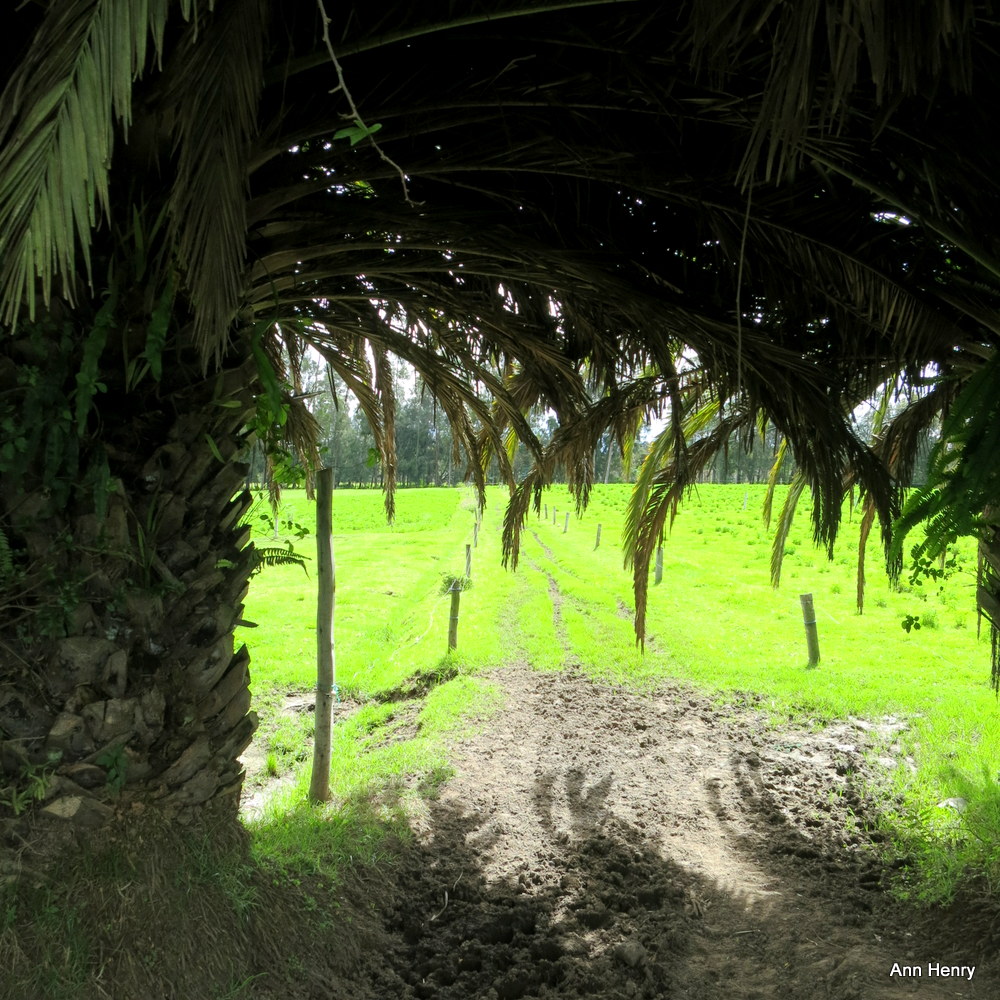

One of the employees had been expecting us and warmly greeted us. He took us to view the area where the Jersey dairy cows come each day for milking. You really do not ever see Jersey cows in Ecuador.


There are eight cows that enter the milking room at a time. However, only four cows are milked in the stalls while the other four eat while waiting to be the next group to be milked. Each cow takes about 1 minute to milk and the entire herd takes about 30 minutes and they are milked twice a day. We found this to be a very organized process.
Then we were taken back outside to wait prior to entering where the cheese is processed. The employees all dress in white with their heads covered and white boots. There was a little concrete reservoir filled with water which was used to clean your boots or shoes prior to entering into a sterile area where the cheese was being made. This reminded me of my nursing days and entering the operating room suites that must be maintained in a sterile environment. Since our little tour would undoubtedly contaminate the area it was going to have to be terminally disinfected after our tour. I think that is why the tour is not open to the general public.
 So, how did this type of cheese-making process begin in Ecuador? We were told that the owners were once on vacation somewhere in the mountains near Zurich, Switzerland. They met an expert cheese maker and they fell in love with his cheeses. They asked the expert cheese maker to come to Ecuador to assist them in setting up a similar process and refining their recipes. So as the story goes the expert agreed and came to Ecuador and assisted them with developing the identical process and quality control tests. The expert continues to visit Ecuador to assist with developing new recipes as well as certify that cheese is made in the Swiss tradition. The dairy makes two different kinds of cheese each day, from both raw and pasteurized milk which includes soft and hard cheeses. Fresh raw milk is used to make the hard cheeses for the best flavor, quality, and Alpine recipes. The cheese is totally organic and natural. Currently, they make a wide variety of different cheese types.
- Montana is only made in the summer months.
- Mutschli, a semi-hard cheese made from raw milk
- Dorado, which is one of three different types of Gruyeres
- Fresco de Montana is a young cheese only six days old and made from pasteurized milk
- Yanayacu is another type of Gruyere simi young cheese of seven months old and sweet
- Dorado de Montana is an 8-month-old cheese, which is aged up to 2 ½ years
Large copper kettles are used to churn the milk into cheese and the temperature is monitored consistently. All of the equipment came from Switzerland to duplicate the Alpine process.


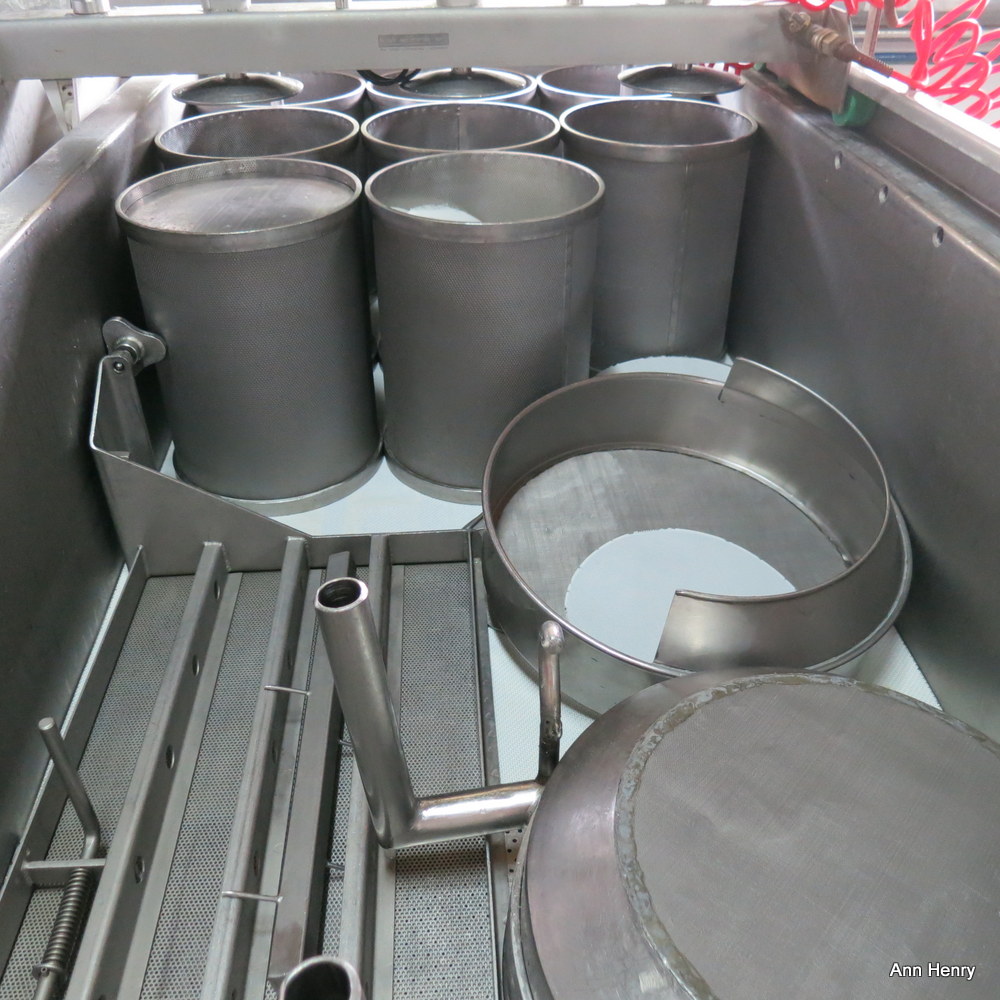

Then we were led down winding stairs to a dark cool basement where the cheese is left to age. The temperature in the basement is consistently at 12 degrees C. along with 85% humidity. Some of the cheese is washed every day with the wine which changes the taste. We noticed that the red wine they used to wash the cheese was CLOS which is the same box wine we buy at the local TIA Grocery.

 We then climbed back up the stairs to tour the area where the cows are kept. Darling friendly little Jersey Girl Calves Just look at those eyes!


The little calves below are all male. The owner of the farm keeps the little boys safe since she is a vegetarian she will not sell the boys since they would end up being used as veal in one of the fine restaurants. Our tour guide who was a chef in New York said “oh they look mighty tasty to me”. Well, that has ruined veal for me since never again will I enjoy eating veal after seeing these little guys. Kudos to the owners for their compassion.
 Below are the Jersey cows waiting for milking. They are such beauties with the most expressive face and eyes. Each cow produces 15-16 liters of milk each day. These cows will produce milk for around 13 years provided that they are cared for correctly. I learned that Jersey cows are alleged to produce the best milk for the finest cheese.
  Below is the path that the cows take to enter the milking facility.

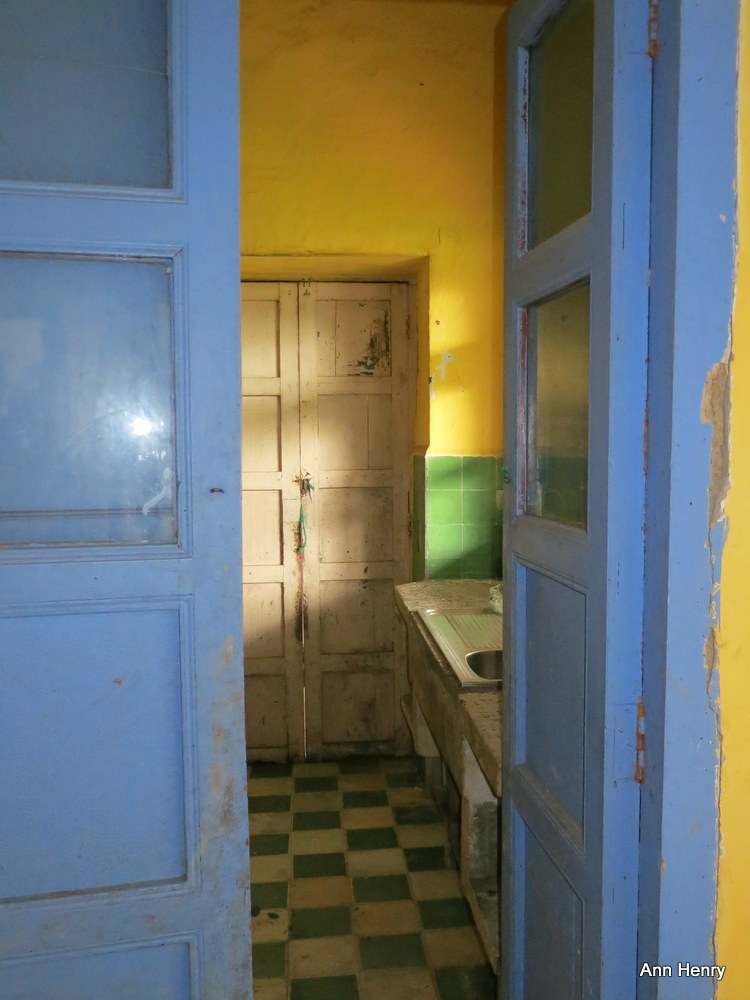
We then decided to explore an ancient abandoned hacienda located behind the dairy. If only the walls could talk the stories that they would tell! I wish someone would save this decaying beauty.




We then returned to the dairy and were delighted to try generous samples of each of the cheeses which were also available for purchase. So we loaded our bags with the delightful cheese for our trip home. Our evening plans were to share our cheeses with friends accompanied by a nice bottle of vino and even perhaps have a fondue.

Hugs to family and friends
Texas Annie Ecuador